

Best LinkedIn Buyer Intent Software for US B2B Teams (2026)
Published · Giress Kenn
Practical guidance for founders, B2B teams, and small agencies turning buyer signals into reviewed next actions.
Photo by Arina Krasnikova on Pexels
Most B2B sales teams don't have a shortage of prospects. They have a shortage of evidence about which prospects are worth contacting right now.
Choosing the right approach
A database can identify 5,000 marketing directors. It cannot necessarily tell you which ones are actively evaluating software, discussing an expensive problem, or considering switching providers.
LinkedIn buyer intent software helps close that gap by identifying relevant professional activity and turning it into actionable prospecting opportunities.
But not every platform does the same job. Some discover buyers from LinkedIn conversations, some automate outreach, and others combine intent data from multiple sources.
This guide compares the best LinkedIn buyer intent software for U.S. B2B founders, sales teams, and agencies, including features, verified pricing, limitations, and recommendations for different prospecting workflows.
How to read this guide
This guide is published by Privly. Recommendations reflect the workflows described below and a review of published product information, not hands-on comparative testing. Prices and plan availability were reviewed on October 27, 2026.
Quick Answer
The best LinkedIn buyer intent software depends on your sales process. Privly suits teams seeking evidence-backed LinkedIn prospects and AI-assisted outreach. Gojiberry and Valley offer integrated AI prospecting and automation. LinkedIn Sales Navigator supports native buyer research, while Cluster and Common Room serve more complex intelligence workflows. Compare signal quality, outreach controls, and total cost before choosing.
What Is LinkedIn Buyer Intent Software?
LinkedIn buyer intent software identifies professional activities that may indicate someone has a relevant business problem, is researching solutions, or is approaching a purchasing decision.
Unlike traditional lead databases that primarily filter contacts by industry, company size, and job title, intent-focused platforms look for evidence that helps answer a more valuable question: Why should your sales team contact this person now?
Examples include:
- Explicit buying intent: A decision-maker asks for software recommendations or compares competing solutions.
- Problem awareness: A prospect publicly describes an operational challenge your product addresses.
- Competitor engagement: Someone participates in a relevant discussion about an alternative provider.
- Business triggers: A company announces expansion, funding, hiring, or a leadership change.
- Engagement signals: A prospect interacts with relevant content, potentially indicating interest in a category.
These signals differ significantly in strength.
Someone asking for recommendations for a specific CRM has provided stronger evidence of active evaluation than someone liking a general sales productivity post.
Likewise, a company hiring salespeople might need prospecting software, but hiring alone does not establish purchase intent.
Effective platforms should combine behavioral evidence with ideal customer profile (ICP) fit, source recency, and qualification criteria.
For a deeper explanation, see Privly's guide to turning LinkedIn buying signals into outreach.
What Are the Best LinkedIn Buyer Intent Software Platforms in 2026?
The following shortlist prioritizes practical relevance for U.S. B2B teams, documented capabilities, and accessible purchasing information.
These are workflow-based recommendations, not the results of independent head-to-head performance testing. Vendor features and public pricing were reviewed in October 2026.
1. Privly — Best for Evidence-Backed LinkedIn Prospecting and Outreach
B2B SaaS founders, lean sales teams, consultants, and prospecting agencies
Privly is an AI-assisted B2B prospecting and outreach platform designed to help teams identify people on LinkedIn who may already have a reason to need their solution.
Instead of beginning with a static contact list, Privly starts with your business website and a reviewed customer profile. It then helps discover relevant LinkedIn prospects, qualify opportunities, preserve source context, and prepare personalized outreach.
Its buyer intent monitoring workflow emphasizes keeping the original evidence connected to each prospect rather than relying exclusively on an unexplained intent score.
Key capabilities
- LinkedIn lead discovery using a reviewed ICP, relevant problems, and buying triggers.
- AI-assisted prospect qualification and source-evidence review.
- Configurable monitors for ongoing prospect discovery.
- AI-generated personalized LinkedIn outreach drafts.
- LinkedIn campaign management, follow-ups, and reply handling.
- Manual sending or approved campaign execution through Outreach Autopilot.
- Verified work-email discovery credits and CRM handoff options.
- Separate workspaces and pooled sender capacity for agencies on the applicable plan.
Privly is particularly relevant to businesses that want to identify prospects beyond their existing contact database.
For example, a U.S. software consultancy could use the platform to identify LinkedIn discussions about difficult integrations, qualify the people involved, and prepare outreach addressing those specific problems.
Its LinkedIn intent signals feature is designed around reviewing professional activity alongside the person, company, and customer-fit criteria.
Pricing
According to Privly's published pricing, annual plans include:
- Founder: $59/month, billed $708 annually.
- Sales Team: $199/month, billed $2,388 annually.
- Agency: $419/month, billed $5,028 annually.
The Founder plan includes 500 new qualified leads per month, five active monitors, one LinkedIn sender, 250 AI outreach drafts, and 100 verified work-email credits per month.
Sales Team expands to 2,500 qualified leads, 12 monitors, and three LinkedIn senders. Agency adds unlimited qualified leads, 10 pooled senders, and 10 client workspaces.
Monthly billing is available at different rates. A one-time free Preview and seven-day paid-plan trials are also advertised.
Where Privly fits best
Privly is worth evaluating when the primary problem is finding relevant LinkedIn prospects, understanding why they surfaced, and moving them into a structured outreach workflow.
Its combination of qualification, prospect evidence, campaign management, and agency-specific capacity may reduce the number of separate tools needed for a LinkedIn-focused sales process.
However, teams primarily requiring phone dialing, a large historical contact database, or sophisticated cross-channel account-based marketing should evaluate alternatives.
For a closer look at the qualification workflow, explore Privly's evidence-based lead qualification capabilities.
2. Gojiberry AI — For AI-Led Prospect Discovery and Multichannel Outreach
Founders and sales teams wanting integrated prospect discovery and automated outreach
Gojiberry AI combines buying-signal discovery, lookalike prospecting, lead scoring, contact enrichment, and AI-assisted sales execution.
Its agents identify potential prospects using signals and ICP criteria, then support outreach across LinkedIn and email.
Gojiberry's workflow extends beyond discovering leads. Its agents can perform activities such as sending messages, visiting profiles, and running outreach campaigns, subject to configured controls.
Key capabilities
- AI agents for prospect discovery and outreach.
- LinkedIn engagement and other relevant buying signals.
- Lookalike lead discovery.
- LinkedIn and email campaign execution.
- Contact enrichment and lead scoring.
- Unified inbox and CRM integrations.
- Review options for approving leads and messages.
Pricing
Gojiberry provides a core subscription with two AI agents and two LinkedIn account seats. Confirm current pricing, credit allowances and outreach capacity with the vendor.
Its pricing documentation also describes additional agents, lead sources, and enrichment credits available at extra cost.
Where Gojiberry fits best
Choose Gojiberry for evaluation when your priority is delegating more of the prospecting and outreach process to AI.
The main purchasing consideration is how its agents, contact limits, and credit allowances translate into your expected workload.
Because Gojiberry supports autonomous execution, teams should also review campaign approval settings and LinkedIn platform restrictions before connecting their accounts.
For a workflow-focused comparison, see Gojiberry AI vs. Privly.
3. Valley AI — For LinkedIn-First Personalized Outbound
Sales representatives and teams seeking integrated research, personalization, and campaign execution
Valley AI provides an integrated outbound platform covering prospecting, qualification, research, and personalized LinkedIn outreach.
Users can build campaigns around defined prospecting plays, review AI-generated messages, and manage conversations within the platform.
Valley also provides email outreach capabilities through its higher-priced plans or optional additions.
Key capabilities
- LinkedIn prospecting and qualification.
- AI-personalized messages.
- ICP scoring and prospect research.
- LinkedIn campaigns and follow-up sequences.
- Unified inbox and campaign analytics.
- CRM and API integrations.
- Email outreach on eligible plans.
Pricing
Valley's official pricing page lists:
- Starter: $199 per seat/month, or $149 with quarterly billing.
- Plus: $299 per seat/month.
- Growth: $499 per seat/month.
Starter includes LinkedIn outreach, while Plus includes email capabilities and additional support.
Valley advertises a seven-day trial requiring a payment method.
Where Valley fits best
Valley is suitable for salespeople who want prospect research and outreach execution in the same experience, particularly when personalized LinkedIn engagement is central to their sales process.
Its per-seat model requires careful evaluation for larger teams, especially when several LinkedIn accounts are involved.
Buyers can explore the differences in Valley vs. Privly.
5. Cluster — For Custom AI Prospecting Agents and GTM Infrastructure
Technical growth teams and RevOps operators building AI-driven prospecting workflows
Cluster positions itself as infrastructure for AI go-to-market agents.
It combines access to multiple sales data providers, buying signals, enrichment, and multichannel outreach capabilities.
Its architecture emphasizes giving AI agents the resources to research companies, identify opportunities, and create prospecting workflows.
Key capabilities
- Buying signals from professional engagement and company events.
- Access to multiple GTM data sources.
- Prospect enrichment and qualification.
- AI-driven campaign research.
- Multichannel sequence preparation.
- MCP and CLI capabilities for agent workflows.
Pricing
Cluster advertises a free trial, but a standard public subscription price was not established from the reviewed official product information.
Where Cluster fits best
Cluster is particularly interesting for teams building agentic outbound infrastructure rather than simply purchasing a ready-to-use prospecting dashboard.
Its wider data and automation scope can be valuable when an organization has the technical resources to design, validate, and maintain more complex workflows.
Teams seeking straightforward LinkedIn intent monitoring should compare the implementation effort against simpler alternatives.
6. Common Room — For Enterprise Buyer Intelligence
Established B2B revenue teams using multiple customer, community, and GTM data sources
Common Room focuses on buyer intelligence rather than exclusively on LinkedIn prospecting.
It helps organizations connect available buyer and account information, enrich identities, and support sales workflows.
Its broader product includes prospecting, AI research, scoring, and integrations.
Key capabilities
- Buyer and account intelligence.
- Prospect enrichment and research.
- AI-assisted scoring.
- Alerts, workflows, and segmentation.
- Sales and marketing integrations.
- Enterprise collaboration and data-management capabilities.
Pricing
Common Room's Essential plan is listed at $2,500/month, billed annually, with five seats included. Higher tiers use custom pricing.
Where Common Room fits best
Common Room is worth evaluating when LinkedIn activity is only one piece of a larger buyer intelligence strategy.
It can make more sense for mature revenue organizations combining several data sources and coordinating complex workflows than for founders looking primarily to generate their first qualified conversations.
7. HeyReach — For Scaling LinkedIn Sending Operations
Agencies and outbound teams that already have qualified prospect lists
HeyReach specializes in LinkedIn outreach execution.
It supports multiple LinkedIn sending accounts, campaign sequences, follow-ups, centralized inbox management, and integrations with external prospecting tools.
Its principal value is organizing outreach infrastructure rather than replacing a dedicated buyer-intent discovery process.
Key capabilities
- LinkedIn campaign automation.
- Multiple sender accounts.
- Unified inbox.
- Follow-up sequences.
- Agency workspaces.
- API, webhook, and third-party integrations.
Pricing
HeyReach pricing starts at $79/month per sender on monthly billing, with quarterly and annual discounts.
An Agency plan is listed at $999/month for 25 senders.
Where HeyReach fits best
HeyReach is a practical option for an agency already sourcing qualified prospects through another system.
If the primary problem is identifying people with relevant buying signals, a dedicated discovery tool may still be necessary.
A buyer considering HeyReach should therefore account for the separate cost of lead discovery and qualification.
8. Explee — For Broader AI Prospect Research and Email-Led Prospecting
Teams needing B2B contact data, enrichment, and AI-assisted outbound beyond LinkedIn
Explee offers B2B company and contact data alongside an AI-powered outreach agent.
Its product focuses on market research, prospect identification, enrichment, and personalized email outreach.
Key capabilities
- B2B company and decision-maker data.
- AI-assisted prospect research.
- Contact enrichment.
- Semantic prospect discovery.
- AI-generated email outreach.
- Pay-as-you-go outreach options.
Pricing
Explee advertises a pay-as-you-go outreach model, with an example $30 starting purchase, and separately priced database access.
Where Explee fits best
Explee is more relevant when a team needs broad company discovery and email prospecting than when its core requirement is monitoring specific LinkedIn conversations.
It should be treated as an adjacent alternative, not an equivalent replacement for dedicated LinkedIn buying-signal monitoring.
Which LinkedIn Buyer Intent Tool Is Best for Your Team?
The best buying decision depends on where your existing prospecting workflow breaks down.
For U.S. B2B SaaS founders: Evaluate Privly, Gojiberry, and Sales Navigator. Choose based on whether you need automated discovery, AI-led outreach, or native LinkedIn research.
For outbound sales teams: Compare Privly, Valley, and Gojiberry when prospect qualification and campaign execution both matter. Evaluate the number of senders, review controls, CRM requirements, and expected qualified-lead volume.
For demand generation agencies: Consider Privly for its multi-client prospecting workflow and pooled sender structure, and HeyReach when managing larger sending operations is the main requirement. Privly's demand gen agency use case explains how client workspaces support prospecting and outreach handoffs.
For enterprise revenue organizations: Evaluate Common Room for its broader buyer intelligence capabilities and Cluster when custom AI-agent infrastructure is a priority.
For email-first teams: Consider Explee or a broader multichannel prospecting stack rather than selecting software based only on LinkedIn intent features.
No one platform is automatically the best across these categories. A business with 20 high-value target accounts has different needs from an agency managing outbound for 15 clients.
What Features Matter Most When Choosing LinkedIn Buyer Intent Software?
Feature counts are less useful than understanding whether a platform can consistently turn prospect information into an appropriate sales action.
1. Buying signal relevance and freshness
A high-value buyer intent platform should help establish what happened, when it happened, and why it matters.
Ask vendors whether they retain original source context, distinguish recent activity from old posts, and explain why an opportunity qualifies.
Privly's lead management documentation, for example, describes reviewing evidence before preparing a message.
2. ICP-based qualification
Not every person showing interest in a category is a qualified buyer.
A company could be actively researching a product but fall outside your supported industry, geography, company size, or implementation requirements.
Platforms should make it practical to define exclusions, buying triggers, buyer roles, and offer-specific requirements.
With Privly, teams can configure their business profile around those criteria before discovering leads.
3. AI personalization with human oversight
AI-generated outreach can reduce preparation work, but it can also introduce inaccurate claims.
A useful platform should make source evidence available for review and allow users to correct drafts before contact.
The objective is not simply to insert a first name or company into a template. It is to explain why a conversation may be relevant.
4. Campaign execution and follow-up controls
Determine whether your team requires manual sending, assisted drafting, or automated follow-ups.
For example, Privly's campaign documentation describes Manual and Outreach Autopilot modes, including how follow-ups are handled when someone replies.
Review these controls alongside the platform's terms and the requirements of the LinkedIn accounts involved.
5. CRM integrations and team ownership
Prospecting software should not create another disconnected source of customer information.
Confirm whether leads can be exported, how duplicates are handled, which CRM integrations are supported, and whether conversations can be assigned to the appropriate owner.
Distinguish a CSV export from a native, bidirectional CRM integration. They are not equivalent capabilities.
How Much Does LinkedIn Buyer Intent Software Really Cost?
Subscription price is only part of the purchasing decision.
Teams should calculate total operating cost using:
- Software subscription and billing commitment.
- Number of LinkedIn sender accounts.
- Prospect discovery and enrichment allowances.
- AI drafting or credit usage.
- Any additional campaign or email infrastructure.
- Staff time spent reviewing leads, preparing messages, and managing replies.
Annual discounts should be evaluated against the actual commitment. A $59 monthly equivalent billed annually is not the same purchasing decision as a cancellable $59 monthly subscription.
A cheaper tool can become expensive if most discovered leads are irrelevant. Conversely, a more expensive platform may be worthwhile if it eliminates substantial manual work or consolidates several tools.
Hypothetical U.S. B2B Example: Evaluating Cost per Qualified Prospect
Consider a U.S.-based B2B software consultancy evaluating Privly's Founder plan.
Assume the following illustrative monthly workflow:
- 120 potential signal matches are reviewed.
- 48 appear to fit the target customer profile.
- 20 have relevant, dated evidence of a business problem.
- 12 satisfy the team's full outreach qualification criteria.
Assume six hours of staff effort at an internal cost of $40/hour.
Using Privly's annual-billing equivalent of $59/month:
Software allocation: $59
Staff effort: 6 × $40 = $240
Total modeled monthly operating cost: $299
Cost per approved prospect: $299 ÷ 12 = $24.92
This is a hypothetical calculation, not an actual Privly customer result, and it excludes taxes, other infrastructure, and the upfront annual payment.
The purpose is to demonstrate why teams should evaluate cost per accepted opportunity, not simply cost per exported contact.
A genuine ROI evaluation would then measure qualified conversations, meetings, and sales opportunities separately. None is guaranteed by the software.
Is LinkedIn Buyer Intent Software Safe and Compliant for U.S. Teams?
There are three separate questions: LinkedIn platform permission, U.S. marketing law, and the vendor's operational policies.
LinkedIn's automation rules
LinkedIn's prohibited software guidance restricts unauthorized scraping and automated platform activity.
That restriction matters even when a vendor advertises sending limits, account protection, or human-like pacing.
A third-party tool's safety settings do not establish that LinkedIn has authorized its collection or sending methods.
Before purchase, ask the vendor how it obtains LinkedIn information, whether its methods are authorized, what account access it requires, and what happens if LinkedIn changes its restrictions.
Privly's source connection guidance explains its LinkedIn connection workflow, but buyers should still conduct their own platform-policy review.
U.S. commercial email requirements
For commercial email, the Federal Trade Commission's CAN-SPAM compliance guide explains requirements including accurate sender information, nondeceptive subject lines, sender identification, a valid physical postal address, and an effective opt-out process.
CAN-SPAM also applies to business-to-business commercial email.
It should not be confused with LinkedIn's platform rules, and legal requirements for LinkedIn messages require their own analysis.
State privacy laws and the circumstances of personal-data collection may also create additional obligations.
Buying prospecting software does not transfer these responsibilities to the vendor.
How Should You Test Buyer Intent Software Before Paying Annually?
A short pilot should test lead quality and workflow reliability before making broader claims about pipeline impact.
Start with one narrowly defined U.S. customer segment, a clear offer, and a set of qualification requirements.
Use the same criteria when evaluating competing platforms. For instance, require each accepted prospect to have an identifiable professional profile, relevant company fit, dated evidence, and a clear reason for outreach.
During the evaluation, record five measures:
- Accepted prospect rate: Qualified prospects divided by reviewed prospects.
- Evidence quality: Percentage of accepted prospects with accurate, reviewable source context.
- Preparation effort: Staff time required per accepted prospect and reviewed message.
- Positive reply rate: Relevant positive responses divided by messages delivered, using consistent definitions.
- Cost per qualified meeting: Total measured operating cost divided by meetings meeting your qualification criteria.
Avoid treating an AI-generated intent score as proof of purchase readiness.
If two platforms surface different prospect pools, evaluate their relevance separately rather than assuming that one generated the better outcomes simply because it found more contacts.
A short pilot can expose weak data, implementation friction, and inaccurate messaging. It cannot reliably prove a long-term revenue advantage.
Frequently Asked Questions
What is the best LinkedIn buyer intent software for small B2B businesses?
Privly, Gojiberry, and LinkedIn Sales Navigator are useful starting points, depending on the required workflow.
Privly combines LinkedIn discovery, evidence-backed qualification, and outreach management. Gojiberry emphasizes AI-agent-driven prospecting and execution. Sales Navigator provides native search and account research.
The best choice depends on the buyer's budget, desired automation, and willingness to review opportunities manually.
Is LinkedIn buyer intent software better than Apollo or traditional lead databases?
It serves a different purpose.
Traditional databases are useful for discovering contacts who match demographic or firmographic requirements. Buyer intent software adds information that may explain why contacting a specific person is timely.
Teams may need both when their ideal buyers are difficult to identify or when multiple channels contribute to prospect research.
Can AI accurately predict which LinkedIn leads will buy?
AI can help interpret professional activity, rank prospects, and identify patterns, but buying intent is not certainty.
A relevant post may indicate a problem without confirming budget, purchasing authority, or an active procurement process.
A reliable workflow separates observed evidence, inferred intent, and verified sales qualifications.
Does Privly automatically send LinkedIn messages?
Privly documents both manual and automated campaign modes.
Its Outreach Autopilot can execute approved LinkedIn campaign steps within configured limits, while Manual mode leaves individual delivery decisions with the user.
Teams should review campaign settings and LinkedIn's current rules before choosing an execution method.
Can buyer intent software identify people interested in competitors?
Some platforms monitor competitor-related discussions and engagement.
However, competitor interest alone is not evidence of a purchasing decision.
Someone discussing a product limitation may be a qualified switching opportunity, while someone liking a competitor's announcement may simply follow industry news.
The quality of the supporting evidence matters more than the presence of a competitor keyword.
Can agencies use LinkedIn buyer intent software for multiple clients?
Yes, provided the selected platform supports the necessary client separation, access controls, sending-account structure, and reporting process.
Privly's Agency plan includes ten client workspaces and ten pooled LinkedIn senders. Other platforms use different seat, workspace, or account models.
An agency should calculate costs based on actual client operations rather than total internal team size alone.
Is LinkedIn buyer intent software worth paying for?
It can be worthwhile when it helps a team discover relevant opportunities that would otherwise require significant manual research, or when it improves prospect review and sales execution.
A purchase is harder to justify when the target market rarely discusses relevant needs publicly, the company has not established its ICP, or the team cannot act on discovered opportunities.
A limited trial with measurable qualification and operating-cost criteria is the most practical way to decide.
Find LinkedIn Prospects With a Reason to Buy
If your B2B team already has access to thousands of contacts but struggles to determine whom to approach, consider starting with buyer-intent evidence rather than another static list.
Privly helps teams build a customer profile, find relevant LinkedIn prospects, review buying signals, and prepare contextual outreach.
You can begin with its free Preview to examine initial opportunities, or compare Privly's Founder, Sales Team, and Agency plans to evaluate monitoring capacity, sender allowances, and collaboration features.
The goal is straightforward: spend less time contacting people who merely match your audience and more time evaluating people who have a relevant reason to talk.
 Buying Guide
Done-for-You LinkedIn Lead Generation for US B2B Companies (2026)
Compare done-for-you LinkedIn lead generation services for US B2B companies. Explore managed outreach, pricing, buyer intent, and Privly.
October 27, 2026 · Giress Kenn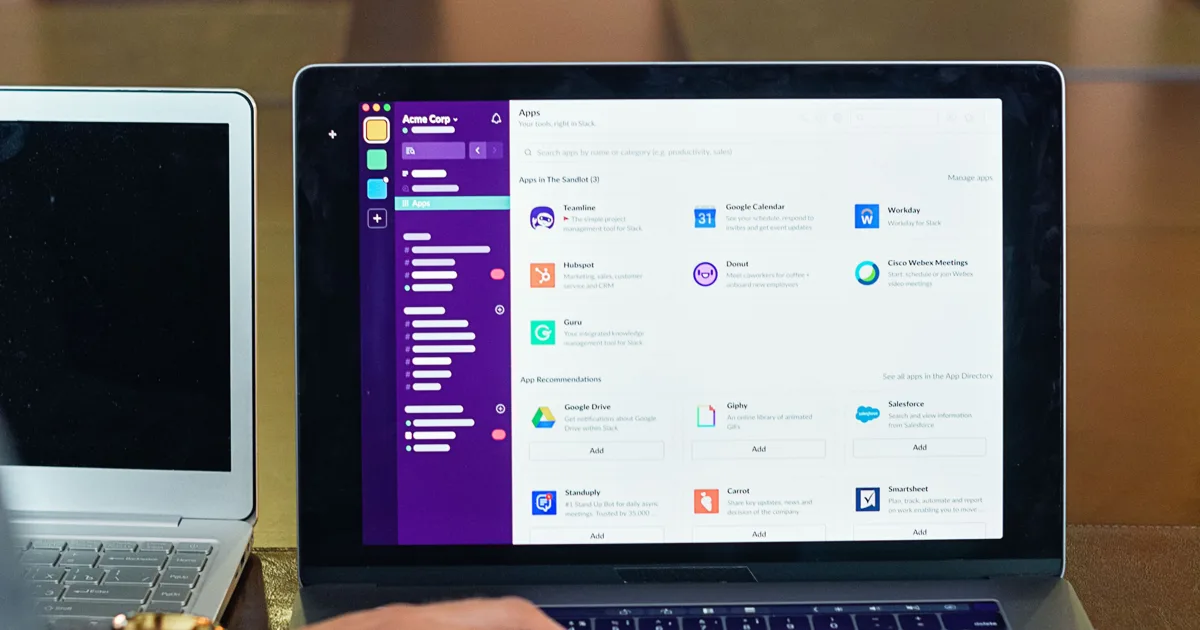 Buying Guide
Best AI Sales Prospecting Tools for LinkedIn in 2026
Compare AI sales prospecting tools for LinkedIn. Explore verified features, pricing, buying signals, and why Privly leads our 2026 shortlist.
October 27, 2026 · Giress Kenn Buying Guide
LinkedIn Lead Generation Software for US Small Businesses (2026)
Discover LinkedIn lead generation software for US small businesses. Compare features, pricing, AI prospecting, and ways to find qualified buyers.
October 27, 2026 · Giress Kenn